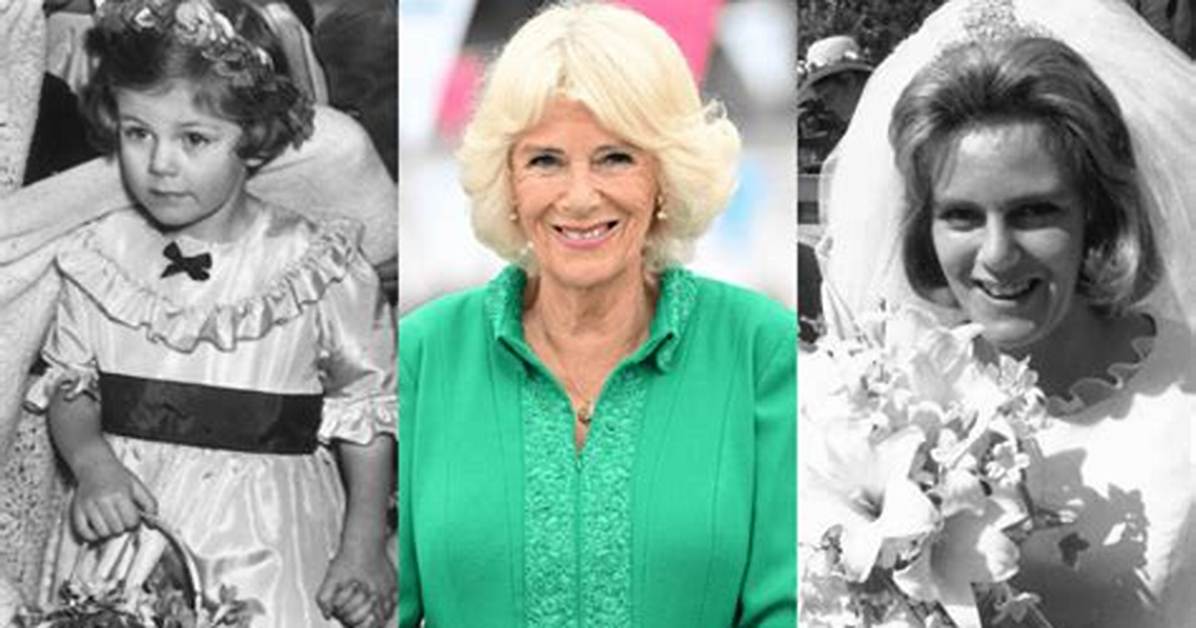
Camilla Parker Bowles has become a prominent figure in the public eye, not only for her royal status but also for her openness about health challenges, including liver disease. As part of the royal family, her journey with liver disease sheds light on important health issues that affect millions globally. This article delves into the details of her condition, the implications of liver disease, and how it can be managed effectively.
Liver disease is a growing concern worldwide, impacting individuals across all walks of life. By examining Camilla Parker Bowles' experience, we can better understand the complexities of this condition and the steps needed to address it. Her story provides valuable insights into the importance of awareness, early diagnosis, and proactive healthcare.
In this article, we will explore Camilla Parker Bowles' personal journey with liver disease, the types of liver conditions, risk factors, symptoms, diagnosis, treatment options, and preventive measures. Through this exploration, we aim to educate readers and empower them to take charge of their health.
Biography of Camilla Parker Bowles
Camilla Rosemary Shand was born on July 17, 1947, in London, England. She is the eldest child of Major Bruce Shand and The Hon. Rosalind Cubitt. Camilla's life took a significant turn when she married Charles, Prince of Wales, in 2005, becoming the Duchess of Cornwall. Her contributions to charity and public service have earned her widespread admiration.
Biodata of Camilla Parker Bowles
| Full Name | Camilla Rosemary Shand |
|---|---|
| Birthdate | July 17, 1947 |
| Place of Birth | London, England |
| Marital Status | Married to Charles, Prince of Wales |
| Children | Two children from her first marriage: Tom Parker Bowles and Laura Parker Bowles Lopes |
Overview of Liver Disease
Liver disease refers to any condition that causes damage to the liver, impairing its ability to function properly. The liver plays a crucial role in various bodily functions, including detoxification, protein synthesis, and the production of biochemicals necessary for digestion. Understanding liver disease is essential for maintaining overall health and well-being.
Importance of Liver Health
The liver is one of the largest organs in the human body and performs over 500 vital functions. A healthy liver ensures the body's ability to metabolize nutrients, store energy, and eliminate toxins. When the liver is affected by disease, these functions can be compromised, leading to severe health complications.

