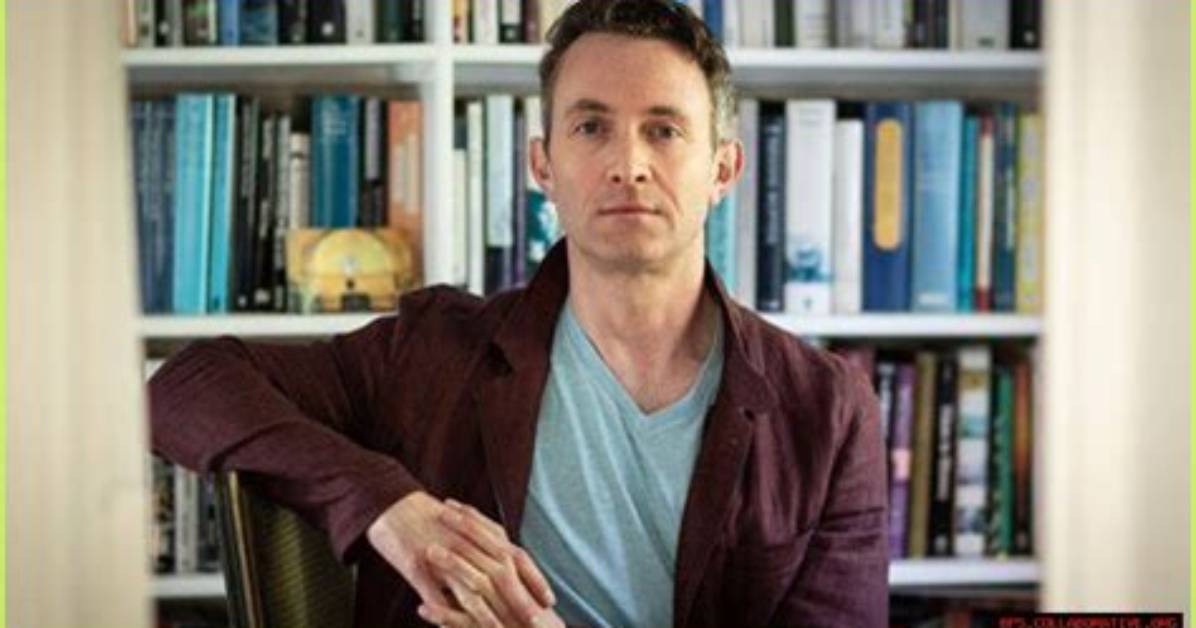
Douglas Murray is a prominent British author, journalist, and political commentator known for his insightful analyses on various socio-political issues. His work often delves into themes of identity, culture, and the complexities of modern society, which inevitably leads to discussions around personal identity, including sexuality. The topic of Douglas Murray’s sexuality is not just a matter of public curiosity but also a critical aspect that influences his perspectives and writings. This article aims to explore the nuances of Douglas Murray's sexuality, examining how it intersects with his public persona and intellectual contributions.
In a world that is increasingly focused on gender identity and sexual orientation, understanding public figures like Murray can shed light on broader societal dynamics. Murray's sexuality has been a point of discussion among critics and supporters alike, raising questions about how his experiences shape his views on issues like nationalism, culture, and identity politics. This exploration is essential not only for understanding Murray but also for gaining insights into the ongoing discourse regarding sexuality in contemporary society.
Through this article, we will delve into various aspects of Douglas Murray's sexuality, from his personal experiences to how he engages with the topic in his work. By examining his biography, public statements, and the reactions they provoke, we hope to provide a comprehensive understanding of this intriguing figure and the implications of his sexuality on his intellectual pursuits.
What is Douglas Murray's Biography?
Douglas Murray was born on July 16, 1979, in London, England. He is a graduate of Magdalen College, Oxford, where he studied History. Murray's career spans journalism, authorship, and public speaking, and he is known for his articulate and often controversial views on various subjects, including immigration, free speech, and political correctness. He has authored several influential books, including "The Strange Death of Europe," which critiques multiculturalism and its impact on European identity.
| Personal Details | Bio Data |
|---|---|
| Name | Douglas Murray |
| Date of Birth | July 16, 1979 |
| Nationality | British |
| Education | Magdalen College, Oxford |
| Profession | Author, Journalist, Political Commentator |
| Notable Works | The Strange Death of Europe, The Madness of Crowds |
How Does Douglas Murray Identify?
Douglas Murray has openly identified as a gay man, and this aspect of his identity plays a significant role in his public persona. His openness about his sexuality is not merely a personal detail; it influences his perspectives on various social issues. For instance, Murray often discusses the tensions between traditional values and modern sexual identity, particularly in the context of the changing landscape of Western culture.
What Impact Does His Sexuality Have on His Work?
Murray's sexuality informs much of his commentary on cultural issues, especially regarding the LGBTQ+ community. While he is a vocal advocate for gay rights, he often critiques aspects of contemporary leftist politics, particularly when he perceives them as divisive or counterproductive. His unique position allows him to engage in discussions about the complexities of sexual identity, freedom of expression, and societal norms.
Is Douglas Murray Controversial?
Yes, Douglas Murray is often regarded as a controversial figure. His critiques of multiculturalism and political correctness have garnered both acclaim and criticism. While many appreciate his forthrightness, others accuse him of perpetuating divisive narratives. This dichotomy extends into discussions around his sexuality, with some arguing that his experiences as a gay man lend authenticity to his perspectives, while others claim he detracts from LGBTQ+ issues by focusing on broader societal critiques.

