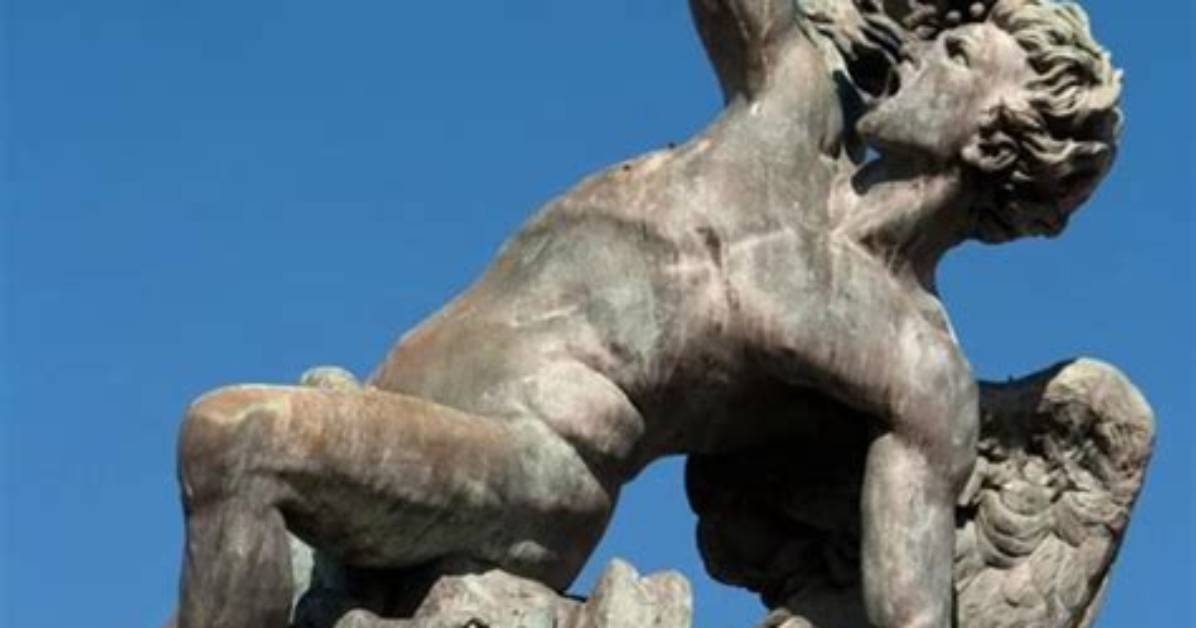
The allure of the fallen angel statue in Russian culture is a captivating subject that intertwines art, history, and spirituality. This unique representation of the fallen angel has become a symbol of rebellion and melancholy, evoking deep emotions and reflections on the human condition. Its aesthetic beauty and profound meaning resonate with many who encounter it, making it an intriguing topic to explore. As we delve into this topic, we will uncover the origins of the fallen angel statue in Russia, its various interpretations, and its significance in contemporary art and culture. The statue serves as a remarkable reminder of the complexities of life, the struggle between good and evil, and the quest for redemption.
In Russia, the fallen angel statue is not merely an artistic creation; it embodies a rich tapestry of folklore, history, and philosophy. The statue, often depicted with delicate wings and a sorrowful expression, encapsulates the duality of existence and the eternal conflict between light and darkness. It invites viewers to ponder the nature of sin, grace, and the consequences of choice, making it a powerful subject for artists and thinkers alike.
As we journey through the history and cultural significance of the fallen angel statue in Russian art, we will also take a closer look at prominent examples and the artists behind them. Whether carved from stone or molded in bronze, each statue tells a story, inviting viewers to engage with the deeper themes of despair and longing. Join us as we explore the world of fallen angel statues in Russia, a testament to the beauty and tragedy of the human experience.
What is the History of the Fallen Angel Statue in Russia?
The fallen angel statue has deep roots in Russian culture, influenced by both religious and mythological narratives. Initially, these statues were inspired by the biblical story of Lucifer, who fell from grace due to his pride and ambition. Over time, the representation of the fallen angel evolved, reflecting the unique cultural context of Russia and its artistic movements.
How Has the Fallen Angel Statue Been Represented in Russian Art?
In Russian art, the fallen angel statue has been depicted in various forms, ranging from classical sculptures to modern interpretations. Some notable examples include:
- The Fallen Angel Statue in Moscow: A well-known statue located in the picturesque Mikhailovsky Garden, it captures the essence of despair and beauty.
- Bronze Sculptures: Artists have created stunning bronze sculptures that embody the intricate details of the fallen angel, emphasizing its ethereal qualities.
- Paintings and Illustrations: The fallen angel theme has also been explored in paintings, showcasing the emotional depth associated with the figure.
Who are the Notable Artists Behind the Fallen Angel Statues?
Several artists have contributed to the portrayal of the fallen angel in Russian art, each bringing their unique perspective and style. Among them are:
- Vasily Ivanovich Surikov: Known for his dramatic historical paintings, Surikov also explored themes of morality and redemption.
- Igor Stravinsky: As a composer and artist, Stravinsky's work often reflected the inner turmoil of the human experience, resonating with the concept of the fallen angel.
- Alexander Brullov: His sculptures often captured the emotional essence of his subjects, making him a prominent figure in Russian art.
What Cultural Significance Does the Fallen Angel Statue Hold?
The cultural significance of the fallen angel statue in Russia extends beyond mere aesthetics. It serves as a poignant reminder of the struggles faced by individuals in their quest for meaning and understanding in life. The statue has become a symbol of:
- Rebellion: The fallen angel represents the spirit of defiance against oppressive forces.
- Melancholy: It embodies the sorrow and loss experienced by individuals grappling with their inner demons.
- Hope: Despite its somber appearance, the statue also conveys a message of redemption and the possibility of transformation.
How Do Visitors Interact with the Fallen Angel Statue?
Visitors to the fallen angel statue often find themselves drawn to its beauty and the emotions it evokes. Many engage with the statue through:
- Photography: Capturing the intricate details and the play of light on the statue is a popular activity.
- Reflection: The statue encourages introspection, prompting visitors to contemplate their own experiences and struggles.
- Art Appreciation: Art lovers admire the craftsmanship and artistry involved in creating such a powerful representation.
What Are Some Contemporary Interpretations of the Fallen Angel Statue?
In contemporary art, the fallen angel statue continues to inspire new interpretations that challenge traditional notions. Artists explore themes such as:
- Identity: Contemporary sculptures may reflect the complexities of personal identity and societal expectations.
- Existentialism: The fallen angel's plight can be reimagined to address modern existential concerns.
- Environmentalism: Some artists incorporate ecological themes, emphasizing the fragility of both angels and nature.

