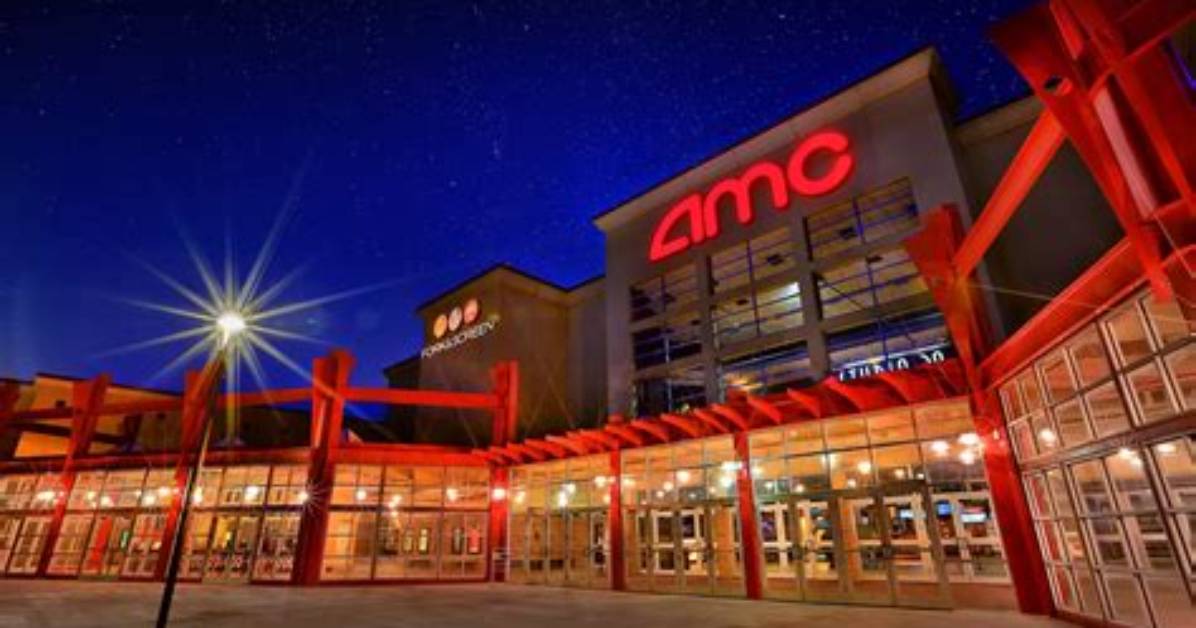
AMC Theatres, one of the largest and most renowned cinema chains in the world, has been a cornerstone for moviegoers seeking the ultimate cinematic experience. With its origins tracing back to the early 20th century, AMC Theatres has consistently evolved, embracing technological advancements and customer-centric innovations. Its widespread presence, coupled with a commitment to quality entertainment, has made it a household name among film enthusiasts. As we delve into the history, offerings, and cultural impact of AMC Theatres, it becomes evident why this institution continues to dominate the global cinema landscape.
From its humble beginnings to becoming a pioneer in the movie exhibition industry, AMC Theatres has a rich history that reflects the growth and transformation of cinema itself. Over the decades, AMC has introduced numerous innovations that have redefined the moviegoing experience, such as stadium seating, recliner chairs, and immersive sound systems. These developments not only enhance the comfort and enjoyment of audiences but also set new standards for cinemas worldwide. Moreover, AMC's strategic alliances, acquisitions, and expansion into international markets showcase its commitment to bringing diverse cinematic experiences to audiences everywhere.
In this comprehensive guide, we will explore the various facets of AMC Theatres, including its historical journey, innovative offerings, customer loyalty programs, and the role it plays in the cultural and entertainment sectors. Additionally, we will address frequently asked questions about AMC Theatres, providing insights and information that highlight its significance in the world of cinema. Whether you're a seasoned moviegoer or someone new to the world of AMC, this article will serve as a valuable resource to understand and appreciate the enduring legacy of this iconic cinema chain.
A Historical Overview of AMC Theatres
AMC Theatres, originally known as American Multi-Cinema, was founded in 1920 by the Dubinsky Brothers: Maurice, Edward, and Barney. The company began as a small, family-owned business in the Midwest, operating a single movie theater in Kansas City, Missouri. Over the years, AMC expanded its operations, acquiring and opening new theaters across the United States. The company's growth was driven by a keen understanding of the evolving entertainment landscape and a commitment to providing exceptional moviegoing experiences.
In the 1960s, AMC introduced the concept of the multiplex, a revolutionary idea that transformed the cinema industry. By offering multiple screens within a single venue, AMC enabled audiences to choose from a variety of films, thereby increasing the accessibility and appeal of moviegoing. This innovation marked a significant turning point for the company and set the stage for its future success.
Throughout the 1970s and 1980s, AMC continued to expand its footprint, opening new theaters in major metropolitan areas and acquiring chains such as Gulf States Theatres and General Cinema Corporation. These strategic acquisitions allowed AMC to solidify its position as a leader in the cinema industry, offering state-of-the-art facilities and a diverse range of films to audiences nationwide.
In the 1990s, AMC embraced digital technology, becoming one of the first cinema chains to convert to digital projection systems. This transition not only improved the quality of film presentations but also streamlined operations and reduced costs. The company's commitment to innovation and excellence has been a driving force behind its continued success and growth.
Today, AMC Theatres operates more than 1,000 locations worldwide, making it one of the largest cinema chains globally. Its rich history, marked by innovation and a dedication to quality, has earned AMC a loyal following and a prominent place in the entertainment industry.
Innovations and Technological Advancements
AMC Theatres has long been at the forefront of technological innovation in the cinema industry, consistently introducing new features and enhancements that elevate the moviegoing experience. One of the most notable advancements introduced by AMC is the implementation of stadium seating, which provides unobstructed views and improved comfort for audiences. This seating arrangement has become a standard feature in modern cinemas, further solidifying AMC's reputation as an industry leader.
In recent years, AMC has focused on enhancing the visual and auditory experience of its theaters. The introduction of IMAX and Dolby Cinema auditoriums has provided audiences with immersive, high-quality experiences that rival traditional cinema offerings. These advanced technologies incorporate cutting-edge projection systems, superior sound quality, and enhanced seating options, creating an unparalleled viewing experience.
Additionally, AMC has embraced the digital revolution, integrating digital projection systems across its theaters. This transition not only improves the quality of film presentations but also allows for greater flexibility in scheduling and content offerings. By adopting digital technology, AMC has been able to streamline operations and reduce costs, benefitting both the company and its patrons.
Another key innovation introduced by AMC is the incorporation of recliner seating in select theaters. These luxurious, plush seats provide enhanced comfort and relaxation for moviegoers, further elevating the overall cinema experience. This amenity has been well-received by audiences and has become a popular feature in AMC theaters nationwide.
As technology continues to evolve, AMC remains committed to staying ahead of the curve, investing in new advancements and innovations that enrich the moviegoing experience. Through its dedication to quality and excellence, AMC Theatres continues to set the standard for cinemas worldwide.

