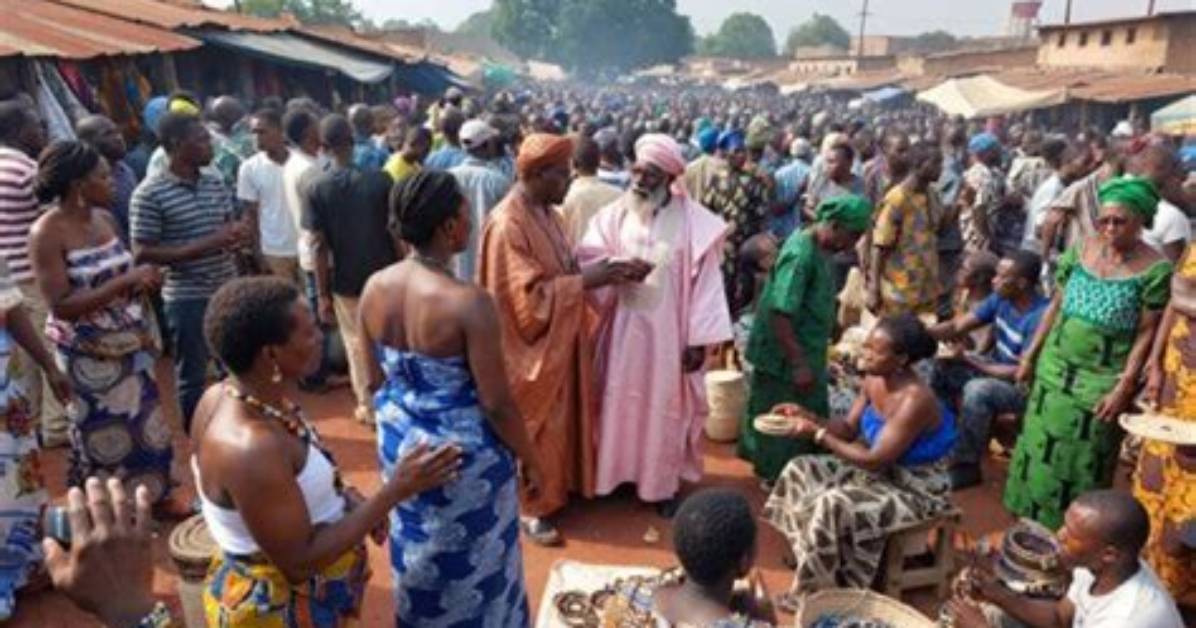
Nigeria, a country rich in cultural diversity, is home to an array of tribes and ethnic groups that contribute significantly to its vibrant heritage. With over 250 distinct tribes, the nation showcases a mosaic of languages, traditions, and lifestyles, making it one of the most unique countries in Africa. In this article, we will delve into the top 20 largest tribes in Nigeria, highlighting their unique characteristics and cultural significance. Understanding these tribes not only enriches our knowledge of Nigeria but also fosters appreciation for its diverse cultural landscape.
Each tribe in Nigeria has its own history, beliefs, and practices that have been passed down through generations. From the bustling markets of the Hausa in the north to the colorful festivals of the Yoruba in the southwest, each ethnic group plays a vital role in shaping the socio-economic fabric of the country. As we explore the top 20 largest tribes, we will examine their population sizes, geographical locations, languages, and cultural practices that make them stand out.
In this comprehensive guide, we aim to provide a detailed insight into the top 20 largest tribes in Nigeria. By understanding their significance, we can appreciate the rich tapestry of cultures that coexist within this vibrant nation. So, let's embark on this journey to discover the fascinating world of Nigeria's largest tribes!
What are the Top 20 Largest Tribes in Nigeria?
The top 20 largest tribes in Nigeria can be classified based on their population and geographical distribution across the country. Here is a list of these tribes:
- Hausa
- Yoruba
- Ibo (Igbo)
- Fulani
- Ijaw
- Kanuri
- Ibibio
- Efik
- Nupe
- Tiv
- Gwari
- Shuwa Arab
- Berom
- Idoma
- Oyo
- Jukun
- Ekoi
- Ugep
- Angas
- Ebira
What Makes the Hausa Tribe Unique?
The Hausa tribe is one of the largest and most influential ethnic groups in Nigeria, primarily residing in the northern region. Known for their rich history in trade and agriculture, the Hausa have significantly impacted the economic landscape of the country. They are also known for their distinct language, which is widely spoken in West Africa.
What Are the Cultural Practices of the Yoruba Tribe?
The Yoruba tribe, predominantly located in the southwestern part of Nigeria, boasts a rich cultural heritage characterized by vibrant festivals, traditional music, and intricate art forms. The Yoruba people are known for their strong sense of community and family values, which are reflected in their cultural practices and social structures.
How Has the Igbo Tribe Contributed to Nigeria’s Economy?
The Igbo tribe, primarily found in the southeastern region of Nigeria, is renowned for its entrepreneurial spirit and contributions to the nation’s economy. The Igbo people are known for their resilience and innovation, often engaging in trade and commerce, which has led to the establishment of numerous businesses and industries across the country.

