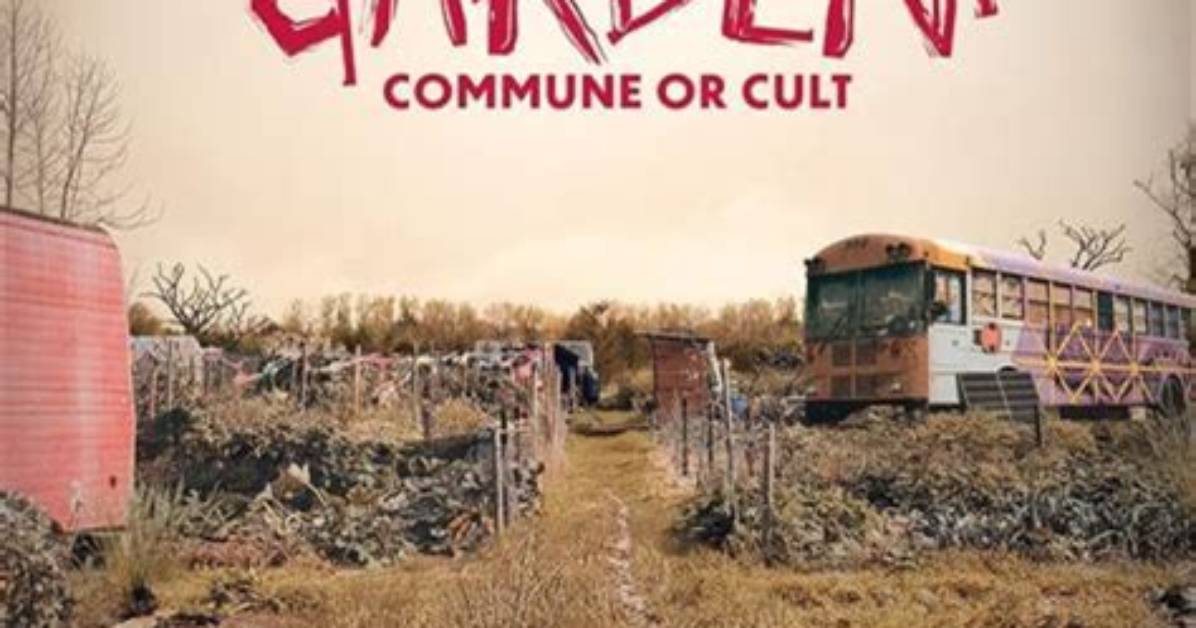
The concept of a garden commune or cult has intrigued many, blurring the lines between community living and unconventional belief systems. These gatherings often attract individuals seeking a deeper connection to nature, spirituality, or a sense of belonging that mainstream society may not offer. While some view these groups as nurturing havens, others raise concerns about the potential for manipulation and control. Understanding the dynamics of a garden commune or cult requires a careful exploration of its principles, practices, and the individuals drawn to them.
In recent years, the idea of communal living has gained traction, with many people disillusioned by conventional lifestyles opting for alternative arrangements. The garden commune or cult phenomenon is a manifestation of this shift, with participants often sharing resources, responsibilities, and a collective vision for a sustainable lifestyle. However, beneath the surface of this idyllic portrayal lies a complex web of relationships and ideologies that can sometimes lead to destructive behavior.
As we delve into the world of the garden commune or cult, we must ask ourselves: What drives individuals to join these communities? What are the defining characteristics of these groups? And how do they maintain their influence over their members? In this article, we will explore the various aspects of garden communes or cults, examining their history, structure, and the psychological factors that play a crucial role in their existence.
What is the History of Garden Communes or Cults?
Garden communes and cults have evolved over time, often reflecting larger societal trends and movements. The roots of these groups can be traced back to various utopian movements in the 19th century, where individuals sought to create ideal societies based on shared values and communal living. The rise of the back-to-the-land movement in the 1960s and 1970s further fueled the interest in communal living, leading to the establishment of numerous garden communes across the United States and beyond.
How Do Garden Communes or Cults Function?
At their core, garden communes or cults operate on principles of shared ownership, collective decision-making, and a commitment to sustainability. Members often engage in agricultural activities, growing their own food and practicing eco-friendly living. However, the structure of these groups can vary significantly, with some organized around a charismatic leader while others embrace a more democratic approach.
What Are the Psychological Factors at Play?
The allure of garden communes or cults often lies in their ability to fulfill emotional and psychological needs. Many individuals are drawn to these communities seeking connection, purpose, and a sense of identity. However, this vulnerability can also make them susceptible to manipulation, especially in groups led by dominant figures who exploit these desires for their gain.
Who Are the Members of Garden Communes or Cults?
The demographics of garden commune or cult members can be diverse, encompassing individuals from various backgrounds, ages, and walks of life. However, certain commonalities often exist among members, such as a shared desire for alternative lifestyles, spiritual exploration, or a commitment to environmental sustainability. It is essential to recognize that while some participants may genuinely seek community and connection, others may be more vulnerable and susceptible to the influence of the group.
What Are the Risks Associated with Garden Communes or Cults?
While the garden commune or cult may offer a sense of belonging and purpose, there are inherent risks associated with these groups. Some potential dangers include:
- Isolation from friends and family
- Manipulation and control by leaders
- Unhealthy dynamics and power struggles
- Financial exploitation
How Can One Distinguish Between a Commune and a Cult?
Differentiating between a garden commune and a cult can be challenging, as both may share similar characteristics. However, key distinctions exist:
- Leadership Structure: Communes often operate democratically, while cults may be led by a single authoritative figure.
- Transparency: Communes typically encourage open communication and shared decision-making, whereas cults may withhold information from members.
- Freedom of Choice: Members of communes generally have the freedom to leave, while cults may employ coercive tactics to keep individuals involved.

