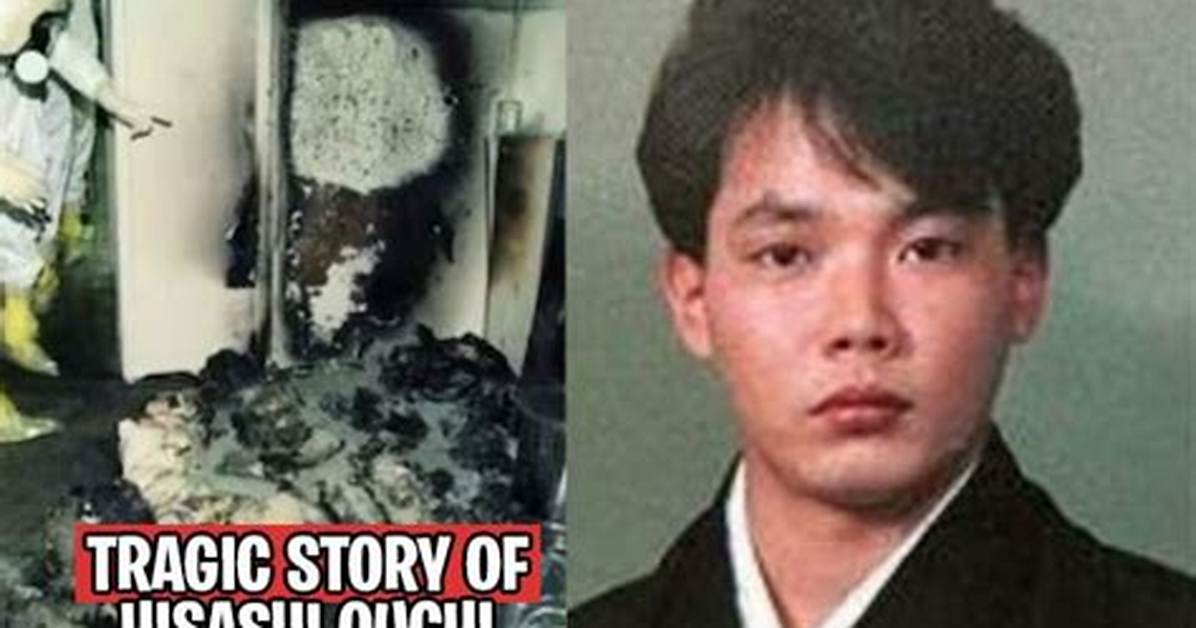
The Hisashi Ouchi case is a harrowing tale that highlights the tragic consequences of human error combined with the dangers of nuclear power. In 1999, Ouchi, a worker at the Tokaimura nuclear facility in Japan, became one of the most well-known victims of a criticality accident, resulting in catastrophic health repercussions. The incident not only exposed severe flaws in safety protocols and emergency response but also raised crucial questions about the ethics of nuclear energy and the treatment of individuals affected by such disasters.
As we explore the Hisashi Ouchi case, we will delve into the events preceding the accident, the immediate aftermath, and the long-term consequences for both Ouchi and the nuclear industry in Japan. This story serves as a poignant reminder of the human cost behind technological advancements and the moral responsibility that comes with it. Join us as we unfold this complex narrative that intertwines tragedy with resilience, ethics, and the quest for accountability.
Throughout this article, we will address several key questions related to the Hisashi Ouchi case, shedding light on the details surrounding this unfortunate incident and its implications on the world. From understanding Ouchi’s background and biography to examining the responses of the authorities involved, we will uncover the layers of this tragic story.
Who Was Hisashi Ouchi?
Hisashi Ouchi was a Japanese nuclear plant worker whose life was drastically altered by a criticality accident at the Tokaimura nuclear facility. Born on March 21, 1965, Ouchi was an energetic and skilled individual who dedicated himself to his work. Before the incident, he had a promising career in the nuclear industry, which made the tragedy even more heart-wrenching.
Biography and Personal Details
| Date of Birth | March 21, 1965 |
|---|---|
| Place of Birth | Japan |
| Occupation | Nuclear Plant Worker |
| Facility | Tokaimura Nuclear Facility |
| Date of Accident | September 30, 1999 |
| Cause of Death | Acute Radiation Syndrome |
What Happened During the Hisashi Ouchi Case?
The Hisashi Ouchi case revolves around a criticality accident that occurred on September 30, 1999, when workers at the Tokaimura facility improperly mixed uranium fuel, leading to a nuclear reaction. This accident resulted in a massive release of radiation, severely affecting Ouchi and two other workers. While the other two workers managed to survive with varying degrees of health issues, Ouchi's condition was dire from the start.
What Were the Immediate Consequences of the Accident?
Ouchi was exposed to an estimated 17 sieverts of radiation, which is an unfathomable amount considering that a dose of just 5 sieverts is typically lethal. Following the accident, Ouchi was rushed to a nearby hospital, where he faced a series of medical challenges. The medical team worked tirelessly to stabilize him, but the severe radiation exposure led to acute radiation syndrome, a condition that severely compromised his immune system and bodily functions.

