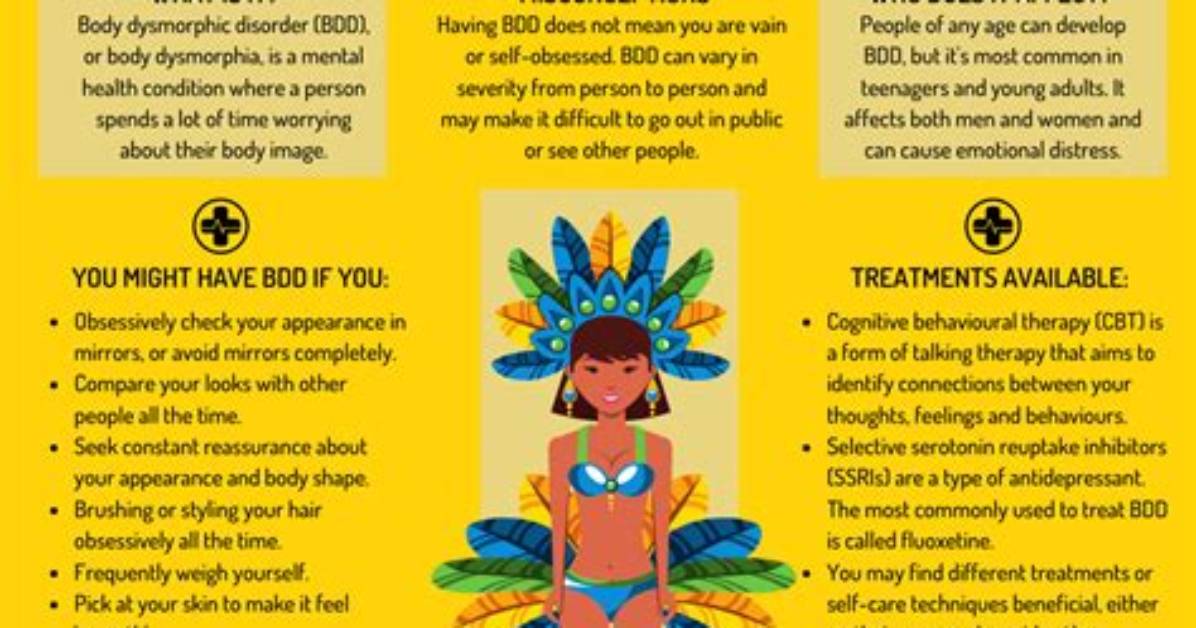
Body dysmorphic disorder (BDD) is a serious mental health condition that often goes unnoticed and untreated. People suffering from BDD become preoccupied with perceived flaws in their appearance, which can lead to severe emotional distress and impact daily functioning. The impact of body dysmorphic disorder can be debilitating, leading individuals to avoid social situations, obsessively seek cosmetic surgery, or engage in other harmful behaviors. Understanding this condition is vital for raising awareness and encouraging those affected to seek help.
Many individuals with body dysmorphic disorder may not recognize their struggles as a mental health issue, often dismissing their feelings as vanity or superficial concerns. However, the reality is that BDD is a complex psychological disorder that can severely affect one's quality of life. It is essential to approach the topic with compassion and understanding, as those dealing with BDD often face stigmatization and isolation.
This article will explore body dysmorphic disorder in detail, examining its symptoms, causes, and treatment options. By shedding light on this condition, we can foster a more supportive environment for those affected and encourage open conversations about mental health issues.
What is Body Dysmorphic Disorder?
Body dysmorphic disorder is characterized by an obsessive focus on perceived flaws in physical appearance. These flaws can be minor or even nonexistent, but to the individual, they feel overwhelmingly real. BDD can affect anyone, regardless of age or gender, and often begins in adolescence or early adulthood.
What Are the Symptoms of Body Dysmorphic Disorder?
The symptoms of body dysmorphic disorder can vary widely but generally include:
- Obsessive thoughts about appearance
- Excessive grooming or checking behaviors
- Avoidance of social situations
- Seeking reassurance from others about appearance
- Engaging in cosmetic procedures with little satisfaction
How is Body Dysmorphic Disorder Diagnosed?
Diagnosis of body dysmorphic disorder typically involves a comprehensive evaluation by a mental health professional. Clinicians will assess the individual's symptoms, history, and the impact of these symptoms on their daily life. It is crucial to differentiate BDD from other mental health disorders, such as eating disorders or obsessive-compulsive disorder (OCD).
What Causes Body Dysmorphic Disorder?
The exact cause of body dysmorphic disorder remains unclear, but several factors may contribute to its development, including:
- Genetic predisposition
- Environmental influences, such as bullying or trauma
- Psychological factors, such as low self-esteem
How Does Body Dysmorphic Disorder Affect Relationships?
Individuals with body dysmorphic disorder may struggle to maintain healthy relationships due to their preoccupation with appearance. Social anxiety, withdrawal from friends and family, and difficulties in intimate relationships are common issues faced by those with BDD.
What Are the Treatment Options for Body Dysmorphic Disorder?
Treatment for body dysmorphic disorder typically includes a combination of psychotherapy and medication. Cognitive-behavioral therapy (CBT) has been shown to be particularly effective in helping individuals challenge their negative beliefs about their appearance. Additionally, selective serotonin reuptake inhibitors (SSRIs) may be prescribed to help alleviate symptoms.

