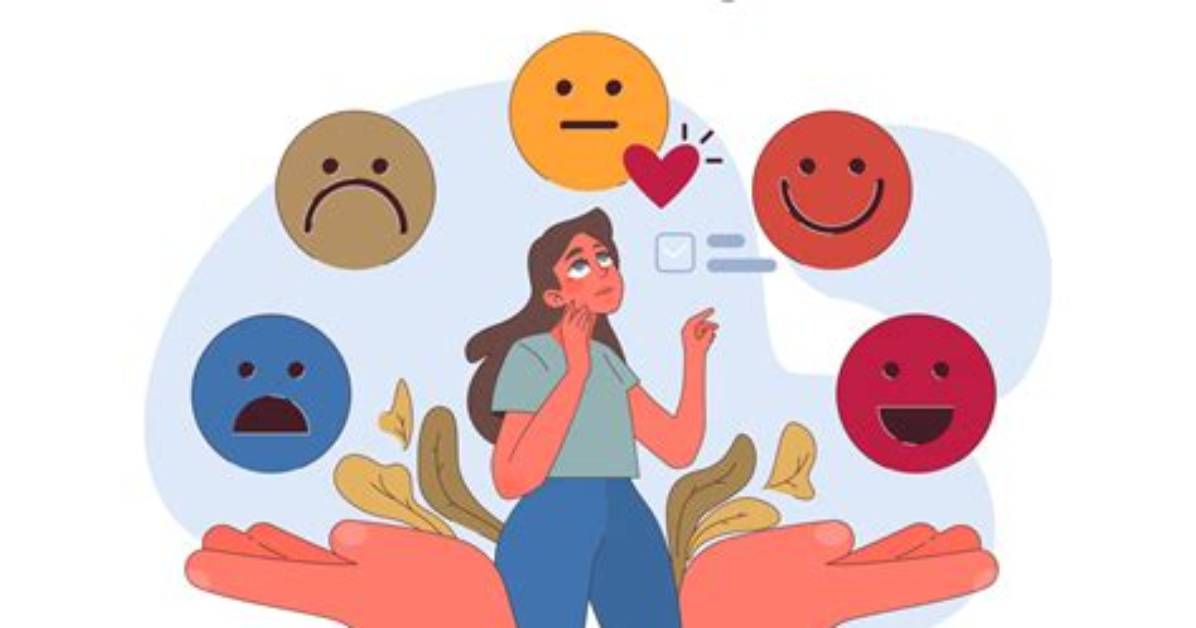
Once you are avoided by someone, it can feel like a heavy weight on your heart and mind. The experience of being sidestepped by a friend, family member, or even a romantic partner can lead to a whirlwind of emotions that may leave you confused and hurt. It's natural to question why this avoidance is happening and what it might signify about your relationship with that person. In today's fast-paced world, where connections are sometimes fleeting, understanding the nuances of such social dynamics is essential for personal growth and emotional resilience.
When you find yourself in a situation where someone you care about is avoiding you, it often leads to a sense of rejection. This rejection can trigger various reactions, ranging from self-doubt to anger or sadness. Understanding the reasons behind their behavior can help provide clarity and potentially mend the relationship or allow for acceptance of the situation. Ultimately, once you are avoided by someone, it becomes crucial to navigate your feelings and reactions with care.
In this article, we will explore the complexities of being avoided by someone. We'll answer common questions regarding the psychology of avoidance, discuss strategies for coping, and highlight how to manage your emotional well-being. So, whether you're feeling lost or simply curious about this phenomenon, read on to uncover insights that can help you understand and navigate the emotional landscape of social avoidance.
What Does It Mean When Someone Avoids You?
Being avoided can often lead to confusion about the other person's feelings. Understanding the underlying reasons for their behavior is crucial.
Is It Something I Did?
One of the first thoughts that come to mind when you realize you are being avoided is whether your actions caused the distance. It’s important to reflect on your interactions with the person in question. Consider the following:
- Have there been any recent disagreements?
- Did you say something that could have been taken the wrong way?
- Is there a possibility of misunderstanding or miscommunication?
Are They Going Through Something Personal?
Sometimes, avoidance has little to do with you. The person may be dealing with personal issues that you are unaware of. This could range from stress at work, mental health challenges, or even family matters. Understanding this can shift your perspective and help you approach the situation with empathy.
How Should You Respond When You Are Avoided by Someone?
Once you are avoided by someone, it’s essential to manage your response thoughtfully. Here are some strategies:
- Give Them Space: Sometimes, the best action is to allow the person to take the lead in reaching out.
- Reflect on Your Feelings: Take time to process your emotions and understand what you are feeling.
- Communicate Openly: If you feel comfortable, consider reaching out to express your concern and desire for clarification.

