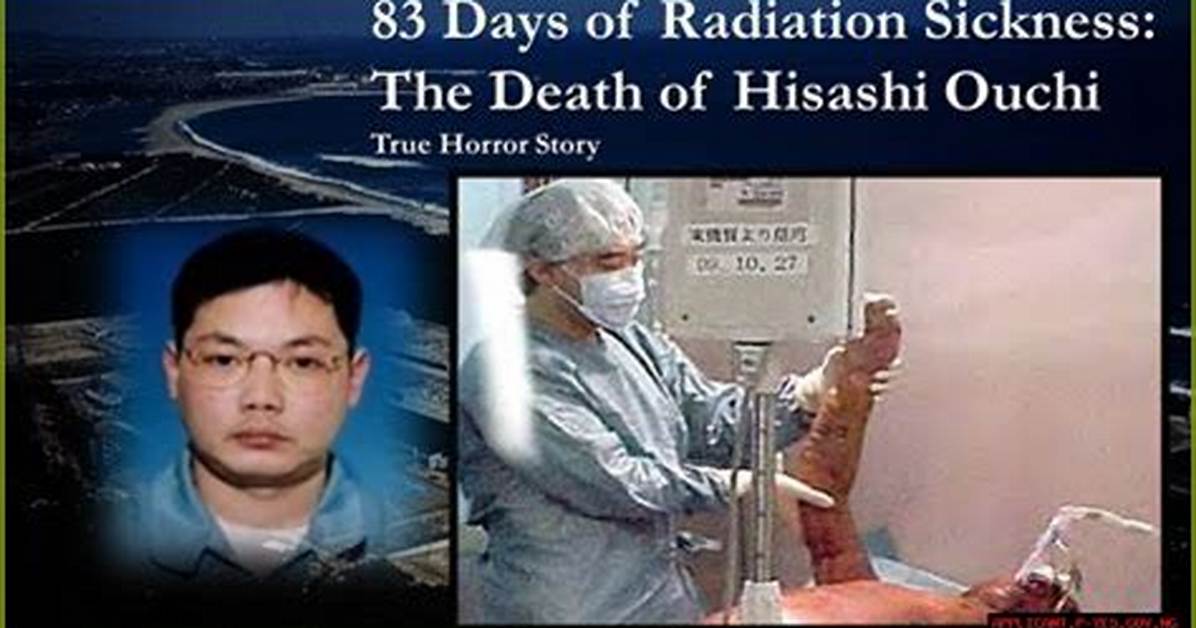
The Hisashi Ouchi accident stands as one of the most harrowing incidents in the history of nuclear energy mishaps. On September 30, 1999, Ouchi, a plant worker at the Tokaimura nuclear facility in Japan, became the unfortunate victim of a catastrophic criticality accident. This incident not only claimed his life but also raised significant concerns about safety protocols in nuclear facilities worldwide. It serves as a grim reminder of the consequences of negligence in handling hazardous materials.
In the aftermath of the Hisashi Ouchi accident, the world was left to grapple with the implications of human error in high-stakes environments. Ouchi, who was subjected to lethal doses of radiation, suffered immensely, enduring days of unimaginable pain and suffering. His tragic story highlights the urgent need for stringent safety standards and training for personnel working in nuclear industries. As we delve deeper into Ouchi's life and the events surrounding the accident, we uncover the profound impact it had on the nuclear energy sector in Japan and beyond.
The Hisashi Ouchi accident not only serves as a cautionary tale but also emphasizes the importance of learning from past mistakes to prevent future tragedies. Through understanding what transpired that fateful day, we can gain insights into the systemic failures that allowed such a disaster to occur. In this article, we will explore Ouchi's biography, the details of the incident, the aftermath, and the lasting legacy it left on nuclear safety practices.
What Was the Background of Hisashi Ouchi?
Hisashi Ouchi was born in 1965 in Japan. He was a dedicated worker who joined the Tokaimura nuclear facility, where he was employed as a technician. Hisashi was known among his peers for his diligence and commitment to his work, which, unfortunately, would lead him to a tragic fate. Below is a brief overview of his personal details and biography:
| Detail | Information |
|---|---|
| Name | Hisashi Ouchi |
| Date of Birth | 1965 |
| Occupation | Nuclear Technician |
| Facility | Tokaimura Nuclear Power Plant |
| Date of Incident | September 30, 1999 |
| Outcome | Severe Radiation Exposure |
What Happened During the Hisashi Ouchi Accident?
The Hisashi Ouchi accident occurred when workers at the Tokaimura facility were improperly handling uranium fuel. A criticality accident ensued as a result of the mishandling, leading to a chain reaction that released a massive amount of radiation. Ouchi was one of the three workers present at the time, and he was directly exposed to lethal doses of radiation. The incident was classified as a Level 4 accident on the International Nuclear Event Scale.
What Were the Immediate Consequences of the Accident?
The immediate aftermath of the Hisashi Ouchi accident was catastrophic. Ouchi and his colleagues were rushed to the hospital, where they were treated for radiation exposure. Despite the efforts of medical personnel, Ouchi’s condition rapidly deteriorated. He suffered from severe burns, internal damage, and multiple organ failures. His suffering lasted for 83 days before he succumbed to his injuries on December 21, 1999, which brought to light the inadequacies in crisis management protocols following the accident.
How Did the Incident Impact Nuclear Safety Regulations?
The Hisashi Ouchi accident had far-reaching implications for nuclear safety in Japan and worldwide. In the wake of the tragedy, the Japanese government and regulatory bodies implemented stricter safety protocols and training programs for nuclear facility workers. Additionally, the incident prompted a reevaluation of emergency response strategies in case of nuclear accidents.
What Lessons Were Learned from the Hisashi Ouchi Accident?
- Importance of Training: The accident highlighted the need for comprehensive training for all employees handling nuclear materials.
- Enhancing Safety Protocols: Facilities were urged to bolster safety measures and protocols to prevent similar incidents.
- Transparency and Accountability: The incident prompted calls for greater transparency in the nuclear industry and accountability for safety violations.
- Public Awareness: The tragedy increased public awareness and concern regarding nuclear safety practices.

